
Proactive Leak Detection in Hilton Head Island, SC
Tracking Moisture Through Lowcountry Sand and Salt Air
Unexplained dampness or a sudden spike in a utility bill on Hilton Head Island is often more than a minor plumbing glitch. In our coastal environment, the geography plays a massive role in how water behaves. The island sits on a foundation of shifting sand and silt, which can cause subtle movements in a home's foundation. When a buried pipe develops a tiny fracture, the water doesn't always rise to the surface. Instead, it often drains into the porous sandy soil or travels along the floor joists of an elevated villa, staying hidden until it compromises the building's stability. American Leak Detection of Savannah utilizes specialized sensors to map these failures, replacing guesswork with a clear plan to neutralize the water loss.
The salt-heavy air and high humidity of the Lowcountry also accelerate the wear on exposed and hidden fixtures alike. Moisture trapped behind a wall or under a floor doesn't just damage the wood; it creates a breeding ground for mold that can spread through a vacation home or villa while it sits empty. We pinpoint these invisible ruptures by focusing on the physical signs of moisture movement, ensuring that we find the origin of the problem without resorting to trial-and-error demolition in your living spaces.
Protect your coastal investment from the long-term effects of trapped moisture. Call American Leak Detection of Savannah at (912) 289-8364 to request a service call and receive a professional assessment of your property today.
Mapping the Breach for Immediate Resolution
We have removed the typical delay that occurs between finding a pipe failure and starting the restoration. Our technicians arrive with the sensors needed to trace the leak and the hardware to resolve the plumbing issue during the same visit. This efficiency allows you to move from discovering a mystery stain to a final fix in a single trip, stopping the water from spreading into your high-end flooring or cabinetry.

-
Innovating Since 1974
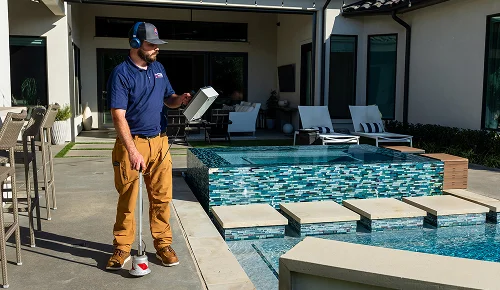 For 50+ years, we’ve developed tools to make leak detection faster and less disruptive.
 -
Solutions Tailored for You
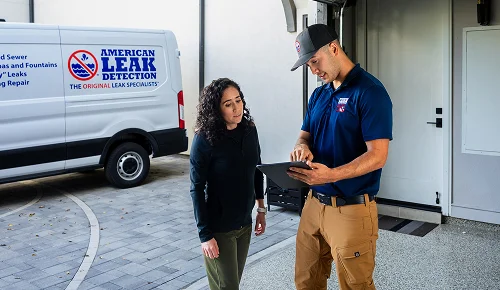 Learn all your options with pros, cons, and costs before making any decisions.
 -
Preferred by Top Insurers
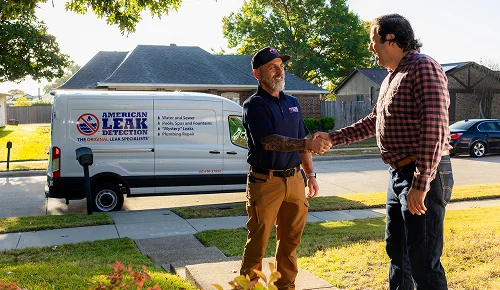 Pre-approved with top insurers means faster claims and smoother coverage.
 -
Trusted Specialists
 Trained specialists who detect leaks in every system, from pools to commercial pipes.


