
Cause & Origin Leak Detection in San Rafael
When the Source Is Still Unknown After a Standard Inspection
A returning stain. A mildew smell with no visible moisture. Water that only appears after rain. These are the situations where American Leak Detection of the North Bay & the Peninsula performs Cause & Origin / “Mystery Leaks” detection: a structured investigation that identifies both the location and the source of a water leak when standard inspections have produced no definitive answer.
As The Original Leak Specialist™, we use proprietary detection technology, including infrared thermal imaging and ultrasonic acoustic detection, along with a systematic process of elimination to confirm the source without opening walls, pulling flooring, or guessing. We serve residential and commercial properties across Marin, Napa, Sonoma, Solano, San Mateo, and northern Santa Clara Counties in California.
If you’ve had a plumbing inspection that didn’t resolve the problem, call us at (415) 233-6393 or submit a service request online. We can find where the investigation left off and take it further.
Signs This Investigation Is the Right Next Step
Cause & origin leak detection in San Rafael is appropriate when symptoms persist after a standard repair or inspection. These are the situations that call for it:
- Water staining or soft spots return after drying or repainting
- Water appears only after rain, ground saturation, or heavy irrigation cycles
- A mildew smell recurs with no identifiable moisture source
- The water meter moves with all fixtures off
- The water bill increased without any change in usage
- A previous inspection or repair didn’t stop the symptoms
- An insurance carrier requires documented cause and origin before processing a claim
- A plumber or contractor recommended confirming the source before repair work begins
Where Mystery Leaks Begin in Marin County Properties
San Rafael neighborhoods including Gerstle Park, Terra Linda, Dominican, and Sun Valley have older housing stock with aging supply and drain lines prone to corrosion and joint failure. Mature trees in Dominican and Sun Valley can also intrude into pipe joints, creating hidden leak points. In this housing stock, a thorough cause and origin investigation is often necessary.
Water rarely surfaces where it enters. It travels along studs, insulation, vapor barriers, and structural joints before becoming visible, often several feet from the entry point. Foundation walls and floor-to-wall joints can transmit groundwater under hydrostatic pressure. This pattern is especially common during and after Marin County’s wet season. Failed window seals, gaps in door flashing, and compromised roofing materials allow water to enter wall cavities and surface far from the actual breach. Under-slab supply lines can fail silently for weeks, first showing up as warm spots on the floor or unexplained meter movement.
How the Cause & Origin Investigation Works
We start by cataloging symptoms, then check the water meter to separate pressurized plumbing leaks from drainage and building envelope intrusion. That step determines which tools are deployed first.
Tools & Methods We Deploy
Infrared imaging identifies temperature differentials caused by moisture in walls, ceilings, and floors without removing any surface material. Ultrasonic acoustic detection locates pressurized plumbing leaks at the point of failure. Pressure isolation confirms which system is losing water before any surface is opened.
When the evidence points toward drain, waste, and vent systems, we use sewer camera inspection to examine those lines directly. Dye testing confirms a suspected fixture or drain connection. Each method is selected based on what the evidence indicates, not applied uniformly. That’s the systematic process of elimination, and it’s what separates a cause and origin visit from a standard service call.
The Documented Report of Findings
Every cause and origin inspection produces a documented report of findings that includes the confirmed source, the evidence collected, the detection methods used, and the systems eliminated during the investigation. The report is formatted for insurance adjuster review and gives contractors a verified scope before remediation begins. Property owners filing water damage claims typically need this documentation before a carrier can process the claim, and a confirmed written report can reduce the risk of denial from an undocumented or disputed source.
American Leak Detection of the North Bay & the Peninsula is pre-approved with top insurers and operates a dedicated insurance adjuster portal for submitting and processing claims, which can support faster review on covered losses.
Why San Rafael & Marin County Property Owners Call Us
Our technicians complete an extensive training program and use the highest quality equipment to deliver accurate results. We operate under the principle of Leak Detection Without Destruction™: no walls are opened, no floors are pulled unless the source is confirmed and a repair plan is agreed upon. Upfront pricing through our Know Before You Go approach means you understand the cost before work begins. Technicians arrive on time, complete the inspection within the agreed time frame, and leave the premises clean. American Leak Detection of the North Bay & the Peninsula has been innovating leak detection technology since 1974, and that depth of development is behind every tool our technicians use.
San Rafael neighbors recommend us on Nextdoor when a leak couldn’t be diagnosed by plumbers or city staff. Customer Randy W. described our staff as highly experienced, thorough, and professional in resolving unforeseen issues. Customer Joe O. noted that technician Carlos left the site cleaner than he found it. That’s the standard we hold ourselves to on every inspection.
Request a Cause & Origin Inspection in Marin County
If you have water damage with no confirmed source, don’t schedule another standard plumbing call. Our cause and origin process works backward from the symptom using a broader toolkit and produces a written report you can hand directly to an adjuster or contractor. We serve properties across Marin County and the broader North Bay and Peninsula service area.
Call (415) 233-6393 or submit a service request online to schedule your cause and origin leak detection inspection with American Leak Detection of the North Bay & the Peninsula.


-
“Excellent service! All staff contacted demonstrated a highly experienced, very thorough, and immensely knowledgeable and professional work ethic in resolving unforeseen issues confidently and quickly! Both the office personnel and technicians answered all inquiries completely and courteously. Knowing that the job was properly completed by extremely competent people was a huge relief!”- Randy W.
-
“Your team, from the phone girl "lady," to the two young men who came to my house (Ryan & Michael, I think) were delightful. I think all of us are all too eager to criticize young people, but I just had to let you know that this team is outstanding and my pool is "leakless."”- Marlene H.
-
“Carlos left the site cleaner than it was when he arrived. We have never experienced such good and careful work before. In fact, just the opposite, our last under-slab leak repair was performed by our local plumber who caused many thousands of dollars of cleanup expense because of his sloppy and careless work.”- Joe O.
-
“I wrote earlier about a job done here yesterday. Christian called just hours after writing it, explained the job and why they used what they did and was very understanding of my frustration. I really appreciated the call, the explanation, and the compensation. Thank you Gregg, Christan, and ALD. I will be recommending this company in the future.”- Shannon L.

-
Innovating Since 1974
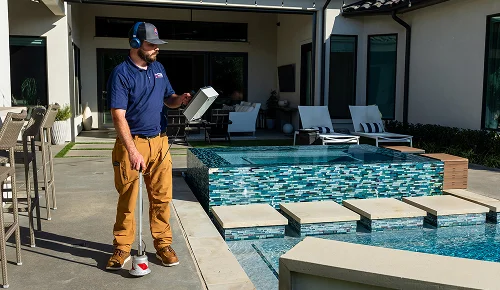 For 50+ years, we’ve developed tools to make leak detection faster and less disruptive.
 -
Solutions Tailored for You
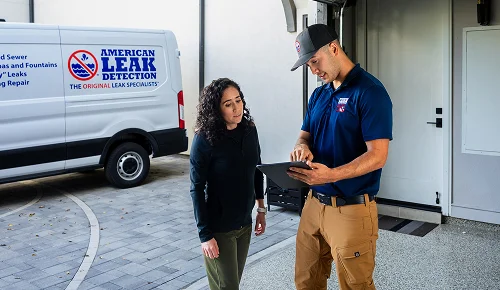 Learn all your options with pros, cons, and costs before making any decisions.
 -
Preferred by Top Insurers
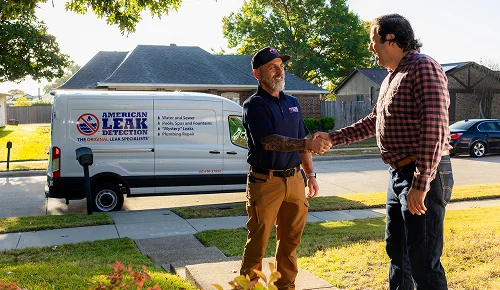 Pre-approved with top insurers means faster claims and smoother coverage.
 -
Trusted Specialists
 Trained specialists who detect leaks in every system, from pools to commercial pipes.


